

Holistic AI-driven Early Warning System
AI-WARN develops an AI-driven Early Warning System for climate-induced hazards, combining remote sensing, Earth Observation, UAV technologies, IoT sensors and AI-based data analytics to support timely decision-making in civil protection and critical infrastructure.
5 partners from 3 European countries
The project brings together five organisations from Croatia, Belgium and Serbia, led by the University of Zagreb Faculty of Civil Engineering. The consortium combines scientific, technological and operational expertise.
Case studies → Brussels & Dubrovnik
AI-WARN will be developed and tested in two contrasting pilot areas:
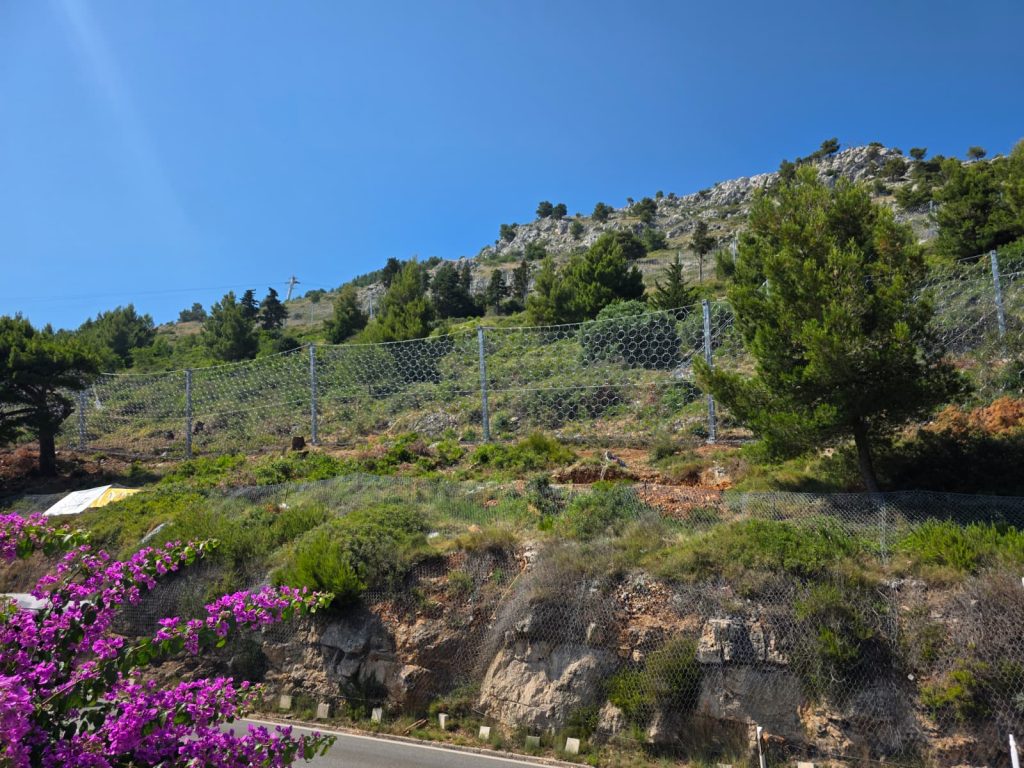
Brussels, focusing on urban flooding caused by intense rainfall, and Dubrovnik, focusing on rockfalls and landslides in steep urban terrain.
EU contribution
AI-WARN aligns with the EU strategy on Adaptation to climate change, emphasizing the importance of climate-resilient infrastructure. Funded through the Union Civil Protection Mechanism (UCPM) under the KAPP programme, AI-WARN runs from April 2026 to March 2028, with an EU contribution of €832,572.
AI-Warn aims to develop a specialized, holistic early warning system (EWS) for climate-induced hazards, such as geo-related instabilities in upland Europe and urban floods in lowland Europe. By leveraging remote sensing, Earth Observation (EO) and UAV technologies, IoT-based embedded sensors, and AI-driven data analytics for the EWS decision layer, the system will support emergency responders, infrastructure managers, and local authorities in making timely, evidence-based decisions to safeguard lives and assets. The project will actively engage communities through targeted awareness campaigns and crowdsourcing initiatives, promoting preparedness and fostering local participation. AI-Warn will be linked with the Copernicus Emergency Management Service (CEMS) On-Demand Preparedness Mapping, ensuring that real-time geospatial intelligence enhances decision-making during critical events. Focusing on regions already experiencing the impacts of climate-related hazards, including Dubrovnik (representative of upland Europe) and Brussels (representative of lowland Europe), AI-Warn will embed local knowledge into a region-specific EWS framework that is interoperable with the existing IT systems of relevant stakeholders. In doing so, the project directly addresses the core objectives of the KAPP call: increasing risk awareness and establishing an effective, integrated early warning system.